

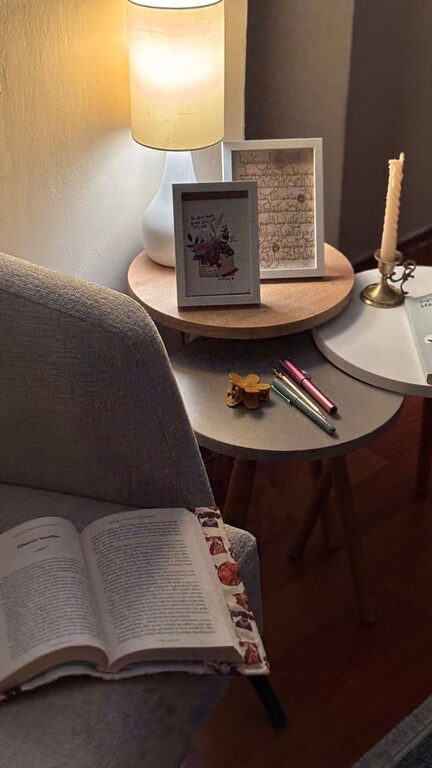
Creating a relaxing home environment is essential for unwinding after a busy day. Our homes should be a sanctuary—a place where stress melts away and peace takes over. Whether you work long hours, have a busy family life, or just need time to yourself, a calm and inviting space can make all the difference.
In this post, we’ll explore practical and easy ways to craft a serene atmosphere at home. From lighting choices to simple decor tips, these ideas will help you create a space that supports relaxation and helps you recharge each evening.
1. Choose Soothing Colours and Textures
The colours and textures in your home play a big role in your mood. To create a calming environment, opt for soft, neutral shades such as pale blues, gentle greens, warm beiges, or muted greys. These colours tend to have a soothing effect and help reduce feelings of anxiety.
Consider introducing natural textures like linen cushions, wool throws, or wooden furniture. Soft fabrics and organic materials provide comfort and help make your space feel more inviting.
Tips for calming colour schemes:
– Use light colours on walls to make rooms feel more open and airy.
– Add a touch of colour with cushions or artwork in muted tones.
– Avoid overly bright or harsh colours that can stimulate rather than relax.
2. Optimise Lighting for Comfort and Calm
Lighting is key to setting the mood of a room. Harsh overhead lighting can feel clinical and unsettling, while soft, warm lighting creates a cosy atmosphere.
Try using layered lighting in your main relaxation areas: a combination of table lamps, floor lamps, and candles can make the space feel welcoming and tranquil. Installing dimmer switches allows you to adjust light levels depending on the time of day or your mood.
Simple lighting ideas:
– Choose bulbs with warm colour temperatures (2700K–3000K).
– Place lamps at different heights to create depth and softness.
– Use fairy lights or candles during the evening for gentle, ambient glow.
3. Declutter to Promote Peace of Mind
A tidy space helps create mental clarity. Clutter can be distracting and add to feelings of overwhelm. Consider adopting a minimalist mindset by keeping only items you truly need or love in your main relaxation areas.
Organise belongings into clear storage solutions like baskets or boxes to reduce mess. Allocating a regular time each week to tidy up can keep your home looking neat and your mind feeling calm.
Decluttering tips:
– Focus on one room or area at a time to avoid feeling overwhelmed.
– Keep surfaces like coffee tables and countertops clear.
– Store away work materials outside your relaxation space.
4. Bring Nature Indoors
Incorporating natural elements is a simple and effective way to create a peaceful environment. Plants not only improve air quality but also add life and colour to your rooms. Even a small pot of herbs on a windowsill or a vase of fresh flowers can help uplift your space.
If space or light is limited, opt for low-maintenance plants like snake plants, pothos, or succulents. Natural materials like stone, wood, or wicker in your furnishings and accessories also increase the feeling of warmth and connection with nature.
5. Create a Dedicated Relaxation Zone
Having a specific spot where you can retreat and unwind makes relaxation easier. This could be a comfy armchair by a window, a cosy reading nook, or a soft rug and cushions in a quiet corner.
Consider what activities help you relax—reading, meditating, listening to music—and set up your space accordingly. Make sure this area is free from distractions like work reminders or noisy electronics.
Ideas for a relaxation zone:
– Add a soft throw blanket and plenty of pillows.
– Include a small side table for drinks or books.
– Use noise-cancelling headphones or speakers for calming sounds.
6. Use Calming Scents and Sounds
Scent plays a powerful role in mood regulation. Aromatherapy with essential oils such as lavender, chamomile, or eucalyptus can create a calming atmosphere. Use a diffuser or light scented candles to gently fill the room with relaxing fragrances.
Sound is another important element. Soft instrumental music, nature sounds like rain or birdsong, or white noise machines can help block out distractions and promote a feeling of calm.
7. Limit Screen Time in the Evening
Technology can be both a source of stress and a barrier to relaxation. The blue light from screens interferes with your body’s natural sleep cycle and can keep your mind alert.
Try to limit the use of phones, tablets, and computers at least an hour before bedtime. Instead, engage in calming activities like reading a book, journaling, or gentle stretching. This helps your mind ease into relaxation more naturally.
8. Incorporate Personal Touches That Bring Joy
Your home should reflect what makes you happy and relaxed. Surround yourself with items that uplift your spirit—perhaps family photos, a favourite piece of art, or meaningful objects from travels.
These personal touches create a sense of comfort and belonging, helping you feel truly at ease in your space.
—
Final Thoughts
Creating a relaxing home environment is about intentionally crafting a space that feels peaceful, comfortable, and healing. Small changes in colour, lighting, organisation, and sensory elements can greatly improve your ability to unwind after a busy day.
Start with one or two tips that speak to you and gradually build your ideal sanctuary. With a calm and restful home to come back to, you’ll find it easier to let go of stress and enjoy your downtime.
Remember—your home is your haven. Treat it with care and attention, and it will reward you with a deeper sense of peace.