

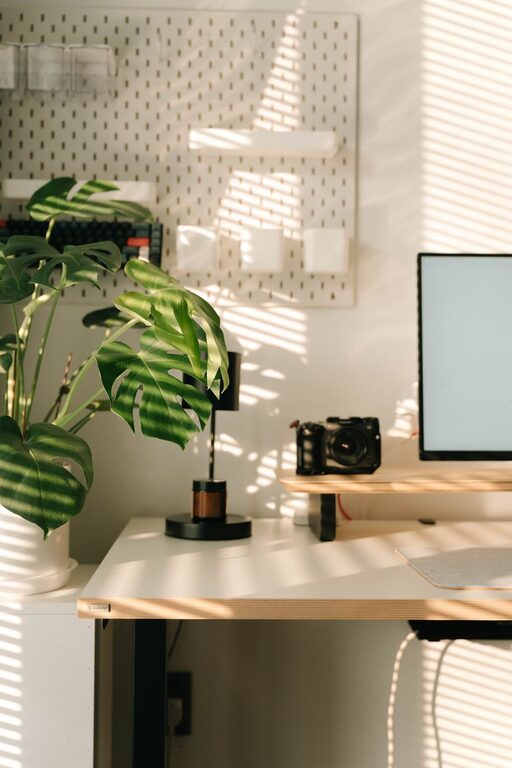
Working from home has become a common part of many people’s lives, and creating a productive home office environment is essential for success and wellbeing. An effective workspace can improve focus, reduce stress, and help maintain a healthy work-life balance. In this post, we will explore practical tips that you can easily implement to design a home office that supports your productivity and comfort.
Choose the Right Location
The location of your home office plays a significant role in your ability to focus and feel comfortable.
– Find a quiet spot: Choose a space away from distractions such as television, busy kitchens, or family traffic.
– Natural light: Ideally, position your desk near a window to enjoy natural light, which helps improve mood and reduce eye strain.
– Separate work from living spaces: If possible, use a dedicated room or partitioned area to create a clear boundary between work and leisure.
Invest in Comfortable and Ergonomic Furniture
Comfort is key, especially if you spend many hours at your desk.
– Ergonomic chair: Select a chair that supports your back, promotes good posture, and is adjustable to your height.
– Desk height: Your desk should allow your elbows to rest at a 90-degree angle when typing.
– Monitor positioning: Position your computer screen at eye level to avoid neck strain. A monitor stand or adjustable arm can help.
– Consider accessories: Ergonomic keyboards, mousepads with wrist support, or footrests can add to comfort.
Keep Your Workspace Organised
An organised workspace reduces clutter-induced stress and saves time searching for items.
– Declutter regularly: Remove non-essential items from your desk.
– Storage solutions: Use shelves, filing cabinets, or desk organisers to keep documents and stationery neat.
– Cable management: Use clips or sleeves to keep cables tidy and prevent tangling.
– Digital organisation: Keep digital files well organised with clear folder structures and regular backups.
Optimise Lighting
Good lighting reduces eye strain and keeps energy levels high.
– Balance natural and artificial light: Use ambient lighting complemented by desk lamps to minimise shadows and glare.
– Adjustable lamps: A lamp with adjustable brightness and colour temperature can match the time of day and task.
– Avoid screen glare: Position screens perpendicular to windows and consider anti-glare screen protectors if necessary.
Personalise Your Workspace
Adding personal touches can make your home office more inviting and motivating.
– Plants: Small indoor plants improve air quality and add visual appeal.
– Artwork or photos: Display calming or inspirational images that uplift your mood.
– Colours: Use colours that promote calmness and focus, such as blues or greens.
Establish a Routine
A home office environment alone isn’t enough; developing healthy work habits is crucial.
– Set work hours: Keep consistent start and finish times to create boundaries.
– Take breaks: Use techniques such as the Pomodoro Technique (25 minutes focused work, 5 minutes break) to maintain concentration.
– Set daily goals: Prioritise tasks and set achievable targets for the day.
– Limit distractions: Silence notifications or use apps to block distracting websites during work hours.
Manage Noise Levels
Depending on your living situation, noise can be a challenge.
– Use noise-cancelling headphones: These help reduce background sounds for better concentration.
– White noise machines or apps: These can drown out disruptive noises.
– Inform household members: Communicate your work schedule to reduce interruptions.
Ensure Proper Ventilation and Temperature Control
A comfortable temperature and fresh air contribute significantly to productivity.
– Ventilate your space: Open windows regularly to circulate air.
– Temperature control: Use fans, heaters, or air conditioning to maintain a comfortable environment.
– Avoid stuffiness: Poor air quality can cause tiredness and headaches, so consider air purifiers if needed.
Utilise Technology Effectively
Right technology can streamline your work and reduce frustration.
– Reliable internet: A strong and stable internet connection is fundamental for virtual meetings and online tasks.
– Quality equipment: Invest in good headphones, webcam, microphone, and printers if necessary.
– Software tools: Use productivity apps for task management, communication, and time tracking.
Keep Healthy Habits in Mind
Your physical and mental wellbeing affects productivity.
– Stay hydrated: Keep a water bottle nearby and take regular sips.
– Stretch and move: Make time for short stretches or walks during breaks to reduce muscle tension.
– Healthy snacks: Choose nutritious snacks to maintain energy levels without sugar crashes.
—
Conclusion
Creating a productive home office environment is about balancing comfort, organisation, and a supportive atmosphere. By focusing on these simple yet effective tips, you can transform your workspace into a place that enhances your focus and wellbeing, helping you stay motivated and efficient throughout the workday. Remember, small changes often bring the biggest benefits, so start with what works best for you and adapt over time.