

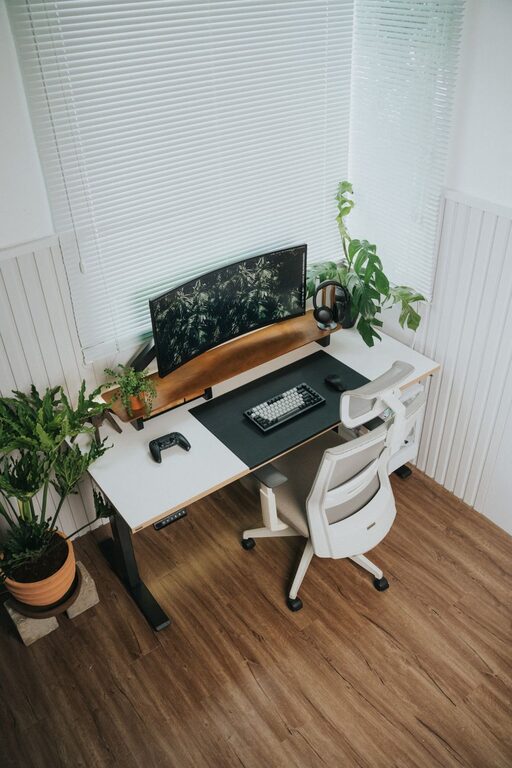
Creating a home office that is both relaxing and productive can be a real challenge, but with the right approach, it’s entirely possible to design a workspace that meets both needs. Whether you’re new to remote work or have been working from home for a while, your environment plays a vital role in how well you focus and feel throughout the day.
In this post, we’ll explore helpful tips to design a home office that encourages productivity without sacrificing calm and comfort.
Why a Relaxing, Productive Workspace Matters
A well-designed home office helps you separate work from leisure, maintain focus, reduce stress, and increase efficiency. Distractions at home can be numerous, but a clear, organised setting combined with personal touches can help you stay motivated and relaxed.
Choose the Right Location
Consider Natural Light
One of the most important factors in a home office is natural light. Set up your desk near a window if possible. Exposure to daylight improves mood and energy levels, and it reduces eye strain caused by artificial lighting.
Quiet and Private Space
Find a space that’s quiet and offers some privacy. Avoid high-traffic areas in your home where interruptions are common. If you don’t have a spare room, a quiet corner with a room divider or noise-cancelling headphones can help create a boundary.
Invest in Comfortable, Supportive Furniture
Ergonomic Chair and Desk
Your chair should support your back and promote good posture, especially if you work long hours. An adjustable office chair and desk help you maintain a comfortable position, preventing aches and strains.
Consider Standing Options
If possible, explore desks that adjust to both sitting and standing positions. Changing posture throughout the day can increase comfort and circulation.
Keep Your Workspace Organised
Declutter Regularly
A cluttered desk can hinder concentration. Keep only essential items on your desk and store other materials in drawers or shelves.
Smart Storage Solutions
Use storage boxes, organisers, or filing systems to keep documents and supplies tidy. Label storage to make it easy to find what you need quickly.
Manage Lighting Carefully
Combine Natural and Artificial Lighting
While natural light is ideal, supplement it with good-quality artificial light. Use task lighting such as adjustable desk lamps to reduce shadows and minimise eye strain.
Avoid Glare
Position screens and lights to avoid glare, which can cause discomfort and reduce visibility.
Add Personal Touches to Boost Mood
Incorporate Plants
Indoor plants not only improve air quality but also have a calming effect. Choose low-maintenance plants like spider plants or succulents.
Use Colour Wisely
Soft, neutral tones tend to create a soothing atmosphere. However, a splash of your favourite calming colour can personalise the space and lift your spirits.
Display Meaningful Items
Photos, artwork, or inspirational quotes can motivate you without cluttering your workspace.
Maintain a Comfortable Temperature and Fresh Air
A room that is too hot, cold, or stuffy can quickly affect your concentration. Use fans, heaters, or open windows to keep the air fresh and temperature comfortable throughout the day.
Minimise Distractions
Use Noise Control Techniques
Soft background music or white noise can help drown out disruptive sounds. Noise-cancelling headphones may also be a good investment if your environment is noisy.
Limit Digital Interruptions
Turn off non-essential phone notifications during work blocks and consider apps that help you focus by blocking distracting websites.
Plan Your Workday
Set Clear Boundaries
Define specific work hours to help separate professional and personal time. Inform household members of your schedule to avoid interruptions.
Use To-Do Lists or Planners
Keeping track of tasks in an organised way boosts productivity and reduces stress from forgetting important deadlines.
Take Regular Breaks to Refresh
Even in the best environment, sitting for long periods can lead to fatigue. Use techniques like the Pomodoro method to take short breaks regularly, stretch, or step outside for fresh air.
Final Thoughts
Designing a home office that is both relaxing and productive doesn’t require a complete overhaul. Small changes—like choosing the right chair, organising your desk, and controlling light and noise—can dramatically improve your workday experience. Remember to personalise your space to make it feel welcoming, and don’t forget to maintain boundaries between work and home life.
A thoughtfully created environment supports your focus, health, and well-being, helping you work smartly while enjoying the comfort of your own home.